.png?width=400&height=250&name=K%26H_Logo%20(1).png)
Low-Volume Production: 3 Common Misconceptions About Sand Casting

Colin Hogarth
Summary
This article debunks three common myths that deter teams from using sand casting in low-volume production. It clarifies that customers typically own pattern tooling, discusses disciplined sand selection and process controls can deliver acceptable surface finishes, and explains that despite higher piece prices, sand casting often wins on total cost, speed, and flexibility at low volumes. When making production decisions, engineers should base process choice on volume, design maturity, performance, and aesthetic needs - not on outdated assumptions.
Many engineering teams approach low-volume manufacturing with outdated assumptions that can limit design flexibility, inflate project risk and incur unnecessary cost.
Understanding what’s misconception versus reality helps engineers choose the right manufacturing approach based on experience, performance, cost, and timeline, rather than habit.
Misconception #1: Pattern Tooling Belongs to the Foundry
One of the most persistent misunderstandings is ownership of pattern tooling. Many buyers assume that because a foundry produces the tooling, the foundry automatically owns it.
In practice, pattern tooling typically belongs to the customer, especially when the customer pays for its development. Clear agreements and documentation ensure engineers retain control over their tooling which allows it to be reused, modified, or transferred as designs evolve.
As noted in a previous article, inexperience in structuring manufacturing process controls, such as maintaining proper documentation, can create unclear ownership and increase risk for the customer.
Why ownership documentation matters in low-volume production:
- Protects long-term design investment
- Enables future supplier flexibility
- Supports iterative development cycles
Tooling ownership is a strategic consideration, not just a contractual detail.
Misconception #2: Sand Castings Can’t Achieve Quality Surface Finish
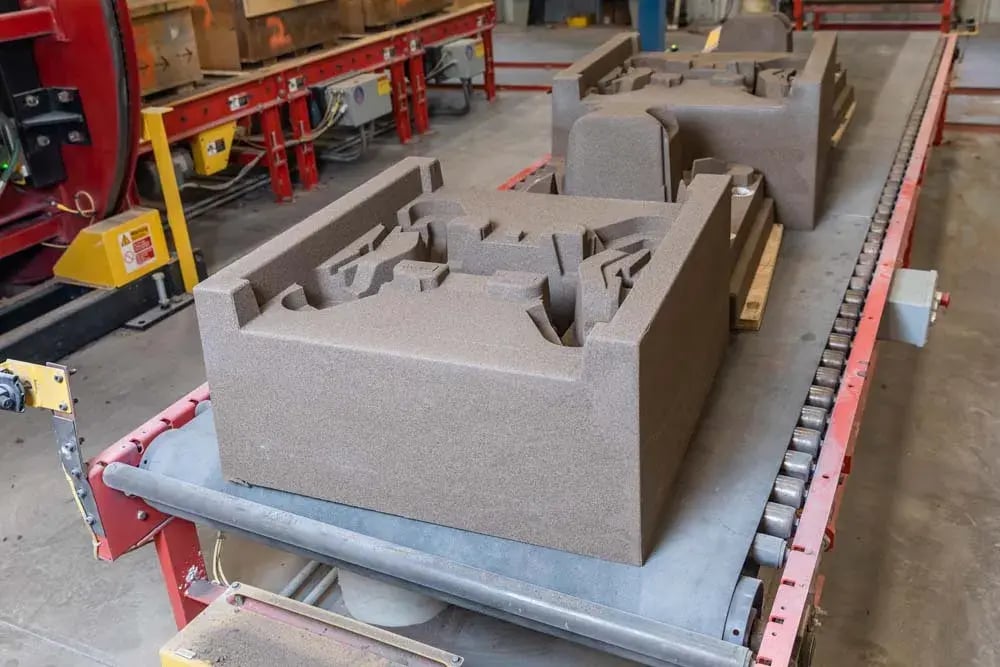
Sand casting is often associated with rough, inconsistent surfaces. While this can be true with coarse sand or limited process control, it’s not an inherent limitation of the method.
With the right sand grit selection, controlled molding processes, and proper finishing techniques, sand cast parts can achieve surface finishes that are both functional and visually acceptable, especially for low-volume or industrial applications.
For engineers, this opens the door to:
- Improved cosmetic appearance without changing processes
- Reduced secondary machining requirements
- Greater design freedom in early-stage production
Surface finish quality depends more on process discipline than casting method alone.
Misconception #3: Piece Price Is Too High to Justify Sand Casting
It’s true that sand casting typically has a higher per-piece price compared to permanent mold processes. However, focusing only on piece price overlooks the broader cost picture.
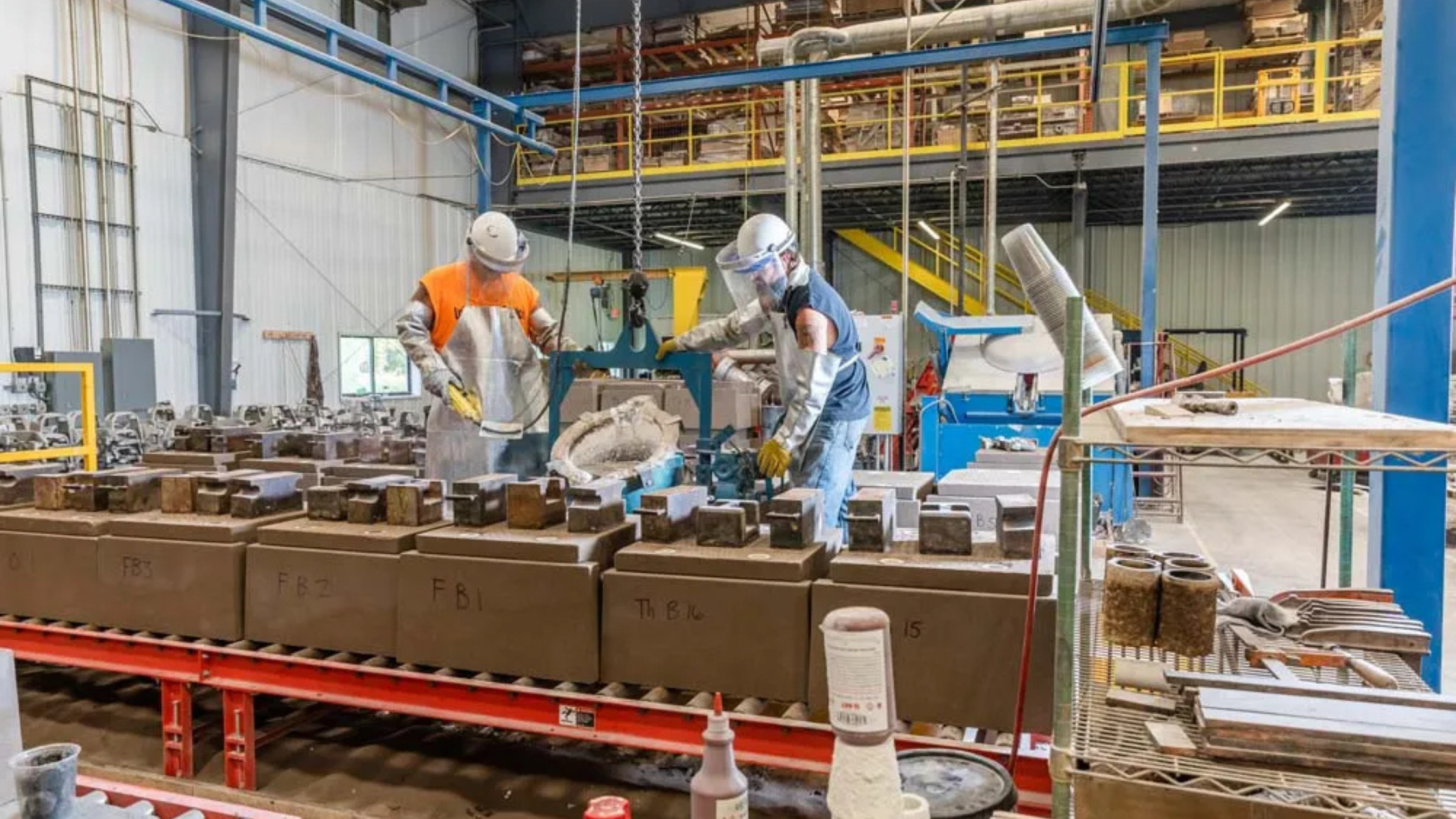
Permanent molds require significantly higher upfront tooling investment. For low-quantity runs, that tooling cost may never be amortized efficiently. Sand casting, by contrast, offers:
- Lower initial tooling costs
- Faster path from design to production
- Greater flexibility for design changes
For low-volume programs, total cost of ownership often favors sand casting, even with a higher piece price by eliminating production issues down the road that will incur additional costs and extend project timelines.
Choosing the Right Process Starts with the Right Assumptions
Low-volume production decisions shouldn’t be driven by misconceptions or outdated rules of thumb. For engineers, understanding the realities of sand casting enables smarter tradeoffs between tooling cost, surface finish, and per-part pricing.
The right manufacturing approach depends on:
- Volume and lifecycle expectations
- Design maturity and iteration needs
- Performance and aesthetic requirements
When evaluated correctly, sand casting remains a viable—and often advantageous—solution for low-volume production.
Have a project that needs an experienced parts manufacturer? Reach out to us today!
Check out other related articles:
Frequently Asked Questions:
Q1: Who typically owns sand casting pattern tooling in low-volume production?
A: In most cases, the customer owns the tooling—especially when they pay for its development. Clear documentation protects design investment and allows tooling to be reused or transferred as needs evolve. For example, K&H Precision Products offers a lifetime guarantee on the tooling pattern.
Q2: Can sand casting achieve acceptable surface finish for low-volume parts?
A: Yes. With proper sand selection, process control, and finishing, sand castings can achieve functional and visually acceptable surface finishes suitable for many low-volume and industrial applications.
Q3: Is sand casting too expensive on a per-part basis for low volumes?
A: While piece price may be higher, sand casting often lowers total cost of ownership by reducing upfront tooling costs, accelerating production, and allowing design flexibility for
.png?width=2240&height=1260&name=Untitled%20design%20(36).png)