---
title: "From Prototype to Production: Why Manufacturing Partner Continuity Matters"
description: Maintaining continuity with the same manufacturing partner minimizes risk, speeds up design changes, and ensures smoother production scaling.
image: https://info.kandhprecision.com/hubfs/Untitled%20design%20(33).png
---
[Skip to content](https://info.kandhprecision.com/blog/from-prototype-to-production-why-manufacturing-partner-continuity-matters#main-content)
[Homepage](https://kandhprecision.com/)
- [Home](https://kandhprecision.com/)
- [About](https://kandhprecision.com/about/)
- [Services](https://kandhprecision.com/services/)
- [Gallery](https://kandhprecision.com/gallery/)
- [Technical Specs](https://kandhprecision.com/technical-specs/)
- [Testimonials](https://kandhprecision.com/testimonials/)
- [Blog](https://info.kandhprecision.com/blog/)
[Contact Us](https://kandhprecision.com/contact/)

# From Prototype to Production: Why Manufacturing Partner Continuity Matters

Colin Hogarth
February 9, 2026
> *Summary*
>
> *Maintaining continuity with a single manufacturing partner from prototype through production preserves process knowledge, validates assumptions early, and reduces time, cost, and risk. It enables rapid, well-informed design changes after alpha builds and field testing while carrying forward proven tooling, fixturing, and inspection methods. As programs scale, this partnership accelerates ramp-ups, embeds proactive DFM, captures tribal knowledge, and turns continuity into a competitive advantage.*
Taking a product from prototype to full-scale production is rarely a straightforward process. Designs evolve, performance assumptions are tested, and real-world applications often reveal challenges that weren't apparent during initial development.
One decision can significantly influence how smoothly that transition happens: maintaining continuity with the same manufacturing partner from prototype through production.
For engineering and procurement teams, this continuity can mean faster turnaround times, better cost control, improved quality, and reduced manufacturing risk.
### **Prototype Phase: Where Process Inefficiencies Should Surface**
The prototype phase isn't just about proving a design concept. It's where manufacturing realities meet engineering intent. Tolerances, material choices, surface finishes, and assembly requirements can all present unexpected challenges once manufacturing begins.
Having a manufacturing partner who thinks like an engineer and understands your long-term production goals can make a significant difference from day one.
When prototype manufacturing is treated as a learning phase rather than a one-time project, engineers can uncover:
- Process inefficiencies that may not scale effectively in production.
- Tolerance stack-ups that could affect component performance or final assembly.
- Material characteristics that influence durability, wear, or performance in the intended application.
- Opportunities to simplify manufacturing processes and reduce costs before production begins.
Addressing these issues early allows engineering teams to refine both the part design and the manufacturing approach before production volumes amplify small problems into costly ones.
### **Solving Questions Early Makes Production Seamless**
Robotics systems demand repeatability. If questions about manufacturability, inspection methods, or process capability aren’t resolved during prototyping, they will resurface, often at the worst possible time. Resulting in slowed production timelines and unexpected spend.
When the same manufacturer supports both prototype and production builds:
- Process assumptions are already validated
- Inspection criteria are established and proven
- Tooling and fixturing strategies are refined, not reinvented
This continuity removes friction as volumes increase. Instead of requalifying a new supplier or rediscovering old problems, engineers move confidently into production knowing the process is already under control.
### **Faster Design Changes After Prototyping and Testing**
Initial prototypes and early testing often reveal opportunities for improvement. Components that appear ideal on a drawing may require geometry changes, tighter tolerances, or material adjustments once evaluated under actual operating conditions.
Working with the same manufacturing partner throughout development allows for:
- Faster design iterations without lengthy supplier onboarding.
- Immediate feedback on the manufacturability of design changes.
- Quicker turnaround on revised prototypes or pilot production runs.
- Better cost control when modifications are necessary.
Because the manufacturer already understands the component's intended function, performance requirements, and manufacturing history, design changes can be implemented more efficiently without unnecessarily compromising quality or delivery schedules.
An experienced manufacturing partner can also anticipate potential challenges before they become problems. Combined with clear, timely communication, this proactive approach keeps engineering teams aligned, risks visible, and decisions moving forward.
### **Relationships Matter As Production Scales**
Product development rarely stops with a single design. Existing products evolve, new variations emerge, and future projects often build on previous engineering and manufacturing experience.
Maintaining continuity through prototyping, low-volume production, and full-scale manufacturing helps establish a true partnership built on shared knowledge, trust, and technical alignment.
Over time, this relationship can provide several important advantages:
- Faster production ramp-ups for new products and future programs.
- Proactive design for manufacturability (DFM) input during early development.
- Reduced risk as production volumes and complexity increase.
- Greater consistency in quality and manufacturing processes.
- Preservation of valuable institutional knowledge through documentation and ongoing collaboration.
Instead of starting from scratch with every new project, engineering teams gain a manufacturing partner who already understands their standards, expectations, and performance requirements.
This relationship becomes especially valuable when internal engineering teams change. An established manufacturing partner can help preserve historical knowledge about part designs, manufacturing decisions, and previous production challenges, supporting a smoother transition when new engineers join a project.
### **Continuity Is a Competitive Advantage**
Some of the most expensive manufacturing challenges don't become apparent until production is underway. Delays, rework, quality concerns, and unexpected costs can quickly affect delivery schedules and profitability.
Maintaining continuity from prototype through production helps companies minimize these risks by preserving the knowledge and experience gained throughout the development process.
By working with a manufacturing partner who can support the entire product lifecycle, companies can:
- Eliminate unnecessary supplier handoffs.
- Reduce time to market.
- Improve communication between engineering and manufacturing teams.
- Minimize production risk as volumes increase.
- Identify opportunities for continuous improvement and long-term cost savings.
From initial prototypes to full-scale production, continuity is more than a manufacturing consideration. It's a strategic advantage that can contribute to better product quality, greater operational efficiency, and stronger long-term results.
When planning your next project, consider the value of choosing a manufacturing partner who can support you from the first prototype through full production. The knowledge gained early in the development process can make all the difference in how efficiently and successfully your product reaches the market.
To learn more about K&H Precision’s expertise or to get a quote on an upcoming project, [reach out to us today!](https://kandhprecision.com/contact/)
Check out other related articles:
- [Robotics Parts Manufacturing: The Hidden Costs of Inexperience](https://info.kandhprecision.com/blog/robotics-parts-manufacturing-the-hidden-costs-of-inexperience)
- [Low-Volume Production: 3 Common Misconceptions About Sand Casting](https://info.kandhprecision.com/blog/low-volume-production-3-common-misconceptions-about-sand-casting)
- [How Early Design Decisions Shape Production Quality in Robotics Manufacturing](https://info.kandhprecision.com/blog/how-early-design-decisions-shape-production-quality-in-robotics-manufacturing)
### **Frequently Asked Questions:**
**Q1: Why is it important to use the same manufacturing partner from prototype to production ?**
A: Using the same partner preserves process knowledge, reduces requalification time, and minimizes risk. Continuity allows lessons learned during prototyping to carry directly into production, improving speed, quality, and cost control.
---
**Q2: How does manufacturing continuity accelerate design changes?**
A: When a manufacturing partner supports both prototype and production, they already understand the component's function, specifications, and manufacturing requirements. This familiarity enables faster design iterations, clearer communication, and quicker turnaround on revised parts.
---
**Q3: What are the long-term benefits of maintaining a manufacturing partnership?**
A: An established manufacturing relationship can support faster production ramp-ups, consistent quality, continuous process improvements, and better cost management. It also helps preserve valuable engineering and manufacturing knowledge as products evolve and internal teams change.
## Share this post
[mailto:https%3A%2F%2Finfo.kandhprecision.com%2Fblog%2Ffrom-prototype-to-production-why-manufacturing-partner-continuity-matters](mailto:https%3A%2F%2Finfo.kandhprecision.com%2Fblog%2Ffrom-prototype-to-production-why-manufacturing-partner-continuity-matters)
## Keep reading
### [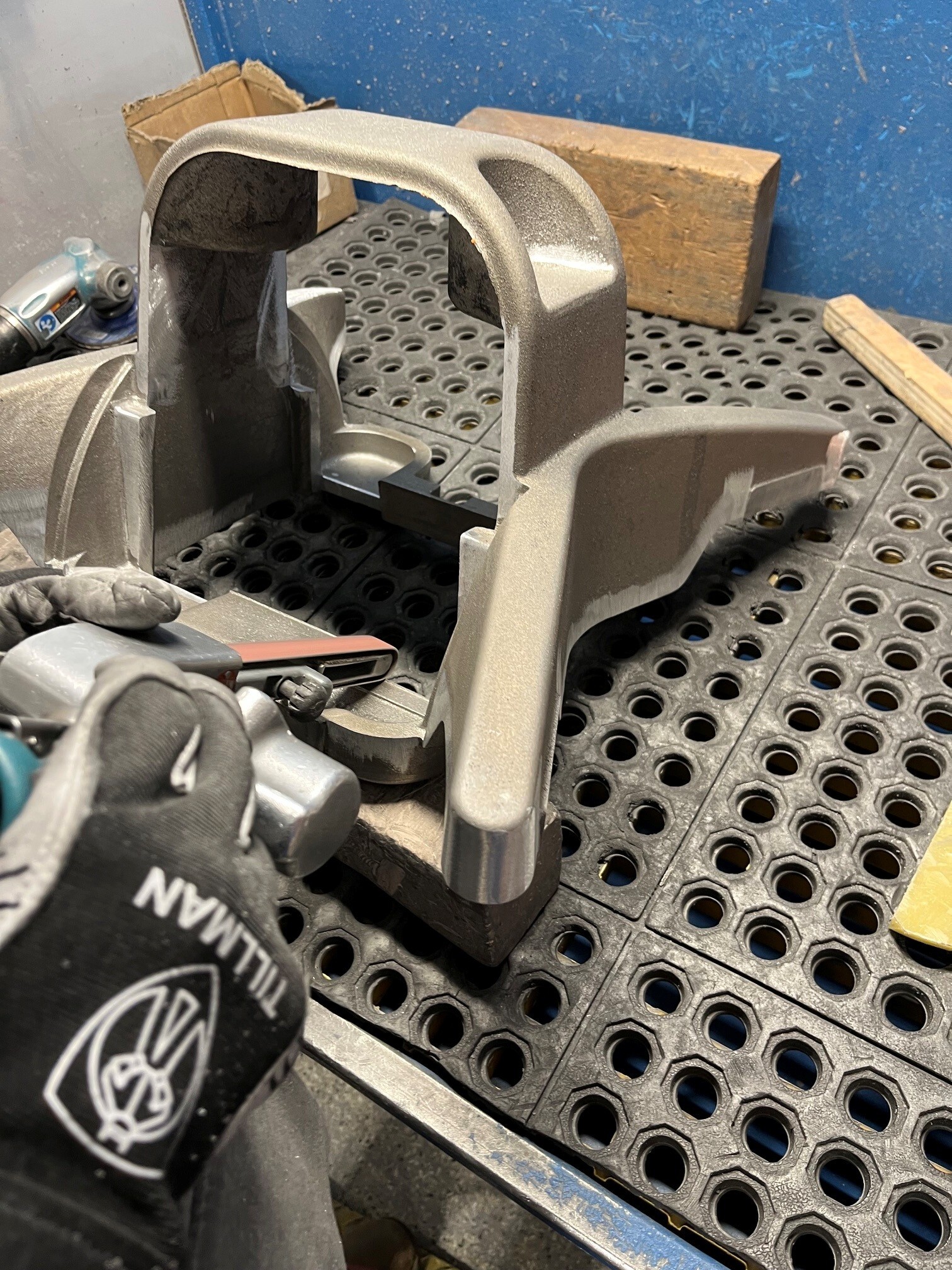 Behind the Part: Meet the Team Behind Your Part](https://info.kandhprecision.com/blog/behind-the-part-meet-the-team-behind-your-part)
### [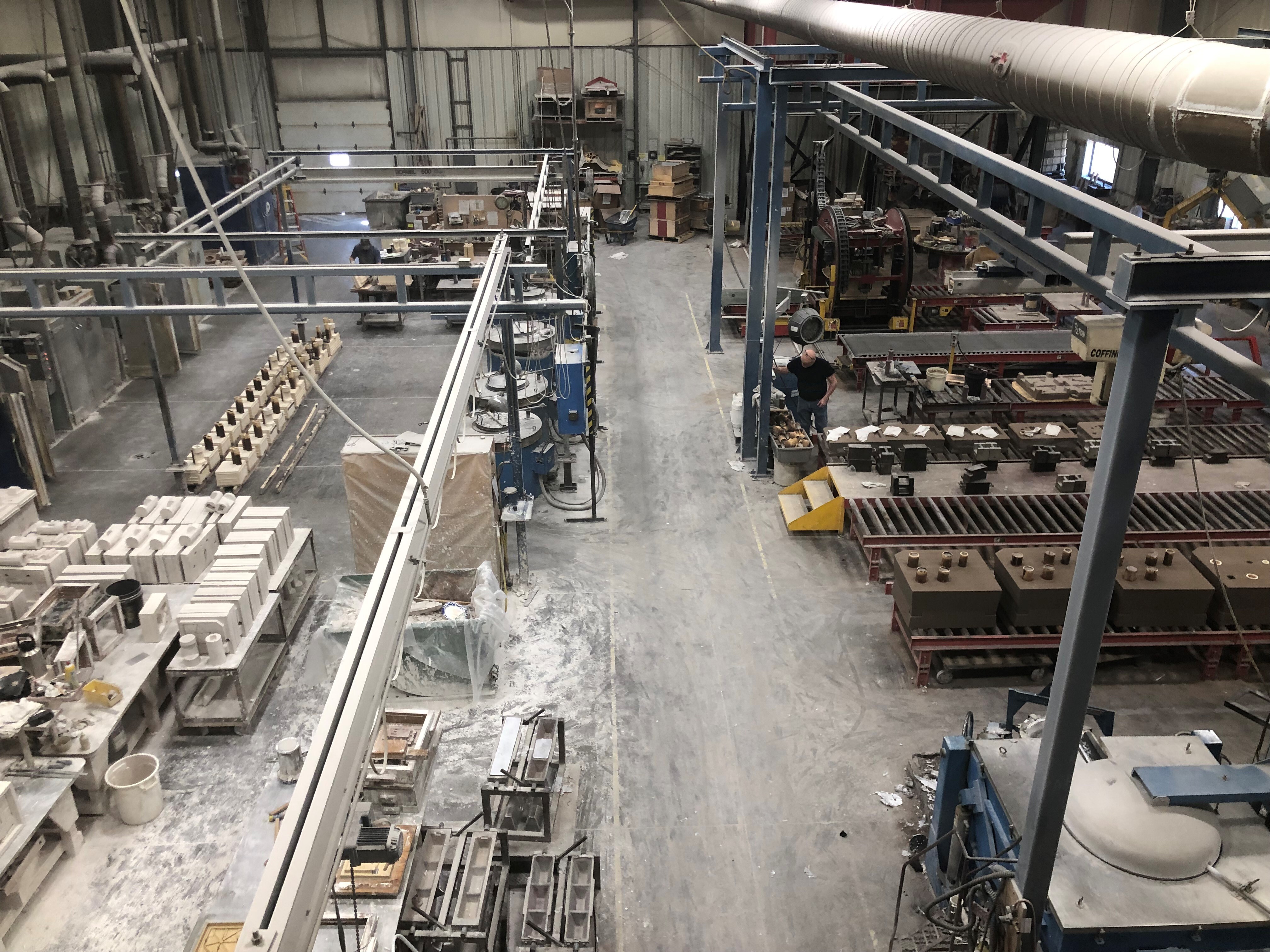 What Makes a Good Sand Casting Design, and Why Does It Matter to You?](https://info.kandhprecision.com/blog/what-makes-a-good-sand-casting-design-and-why-does-it-matter-to-you)
[](https://kandhprecision.com/)
- [Home](https://kandhprecision.com/)
- [About](https://kandhprecision.com/about/)
- [Services](https://kandhprecision.com/services/)
- [Gallery](https://kandhprecision.com/gallery/)
- [Technical Specs](https://kandhprecision.com/technical-specs/)
- [Testimonials](https://kandhprecision.com/testimonials/)
- [Blog](https://info.kandhprecision.com/blog/)
---
[Privacy Policy](https://kandhprecision.com/privacy-policy/) · Legal · © 2026. All rights reserved.
```json
{
"@context" : "https://schema.org",
"@type" : "BlogPosting",
"author" : {
"@type" : "Person",
"name" : "Colin Hogarth",
"url" : "https://info.kandhprecision.com/blog/author/colin-hogarth"
},
"dateModified" : "2026-10-06T18:15:57.502Z",
"datePublished" : "2026-02-09T15:38:00.000Z",
"headline" : "From Prototype to Production: Why Manufacturing Partner Continuity Matters",
"image" : [ "https://info.kandhprecision.com/hubfs/Untitled%20design%20(33).png" ],
"mainEntityOfPage" : {
"@id" : "https://info.kandhprecision.com/blog/from-prototype-to-production-why-manufacturing-partner-continuity-matters",
"@type" : "WebPage"
},
"publisher" : {
"@type" : "Organization",
"logo" : {
"@type" : "ImageObject",
"url" : "https://info.kandhprecision.com/hubfs/K&H_Logo%20(1).png"
}
}
}
```